Terminal services and freight forwarding serve different but complementary roles in logistics operations. Terminal services involve the physical handling, storage, and processing of cargo at specific facilities such as ports or warehouses, while freight forwarding focuses on coordinating and managing shipments between multiple parties. Understanding these distinctions helps businesses choose the right logistics solutions for their supply chain needs.
What exactly are terminal services and how do they work?
Terminal services encompass all physical cargo-handling operations that occur at designated facilities such as ports, airports, or inland terminals. These services include loading, unloading, containerisation, storage, and various cargo-processing activities that facilitate the movement of goods through the supply chain.
At port terminals, operations typically involve managing different types of cargo, including bulk materials, packaged goods, and containerised freight. The process begins when cargo arrives at the terminal, where it undergoes inspection, documentation, and sorting before being stored in designated areas. For bulk cargo, this might involve specialised handling equipment such as conveyor systems or pneumatic unloading systems, while containerised cargo requires different handling procedures and storage arrangements.
Modern terminal operations rely heavily on advanced warehouse management systems and ICT solutions to track inventory, manage storage locations, and coordinate with shipping schedules. Many terminals also offer value-added services such as customs clearance, container stripping and stuffing, and terminal declarations to streamline the logistics process for their clients.
We operate comprehensive terminal services at HaminaKotka Port, handling everything from bulk raw materials to forest industry products such as cardboard, paper, sawn timber, plywood, and pulp. Our operations include containerisation services and specialised handling for various cargo types using modern equipment and systems.
What is freight forwarding and why do businesses need it?
Freight forwarding is a coordination service in which freight forwarders act as intermediaries between shippers and transportation providers, managing the entire logistics process from origin to destination. This includes arranging transportation, handling documentation, managing customs procedures, and ensuring compliance with international shipping regulations.
Businesses need freight forwarding services because international shipping involves complex procedures that require specialised knowledge and established relationships with carriers, customs authorities, and other logistics providers. Freight forwarders possess the expertise to navigate these complexities efficiently, often securing better rates and transit times than businesses could achieve independently.
The freight forwarding process typically begins with receiving shipping instructions from the client, followed by booking cargo space with appropriate carriers, preparing the necessary documentation, and coordinating pickup and delivery. Throughout this process, freight forwarders maintain communication with all parties involved, providing shipment tracking and updates to ensure smooth operations.
Key responsibilities include managing bills of lading, commercial invoices, packing lists, and certificates of origin. Freight forwarders also handle customs clearance procedures, including import and export declarations, duty calculations, and compliance verification. This comprehensive service approach allows businesses to focus on their core operations while ensuring their goods move efficiently through global supply chains.
What’s the main difference between terminal services and freight forwarding?
The primary difference lies in scope and responsibility: terminal services focus on physical cargo handling at specific locations, while freight forwarding encompasses the coordination and management of entire shipping processes across multiple locations and service providers.
Terminal services are location-specific and involve direct interaction with cargo through loading, unloading, storage, and processing activities. These operations require physical infrastructure, specialised equipment, and trained personnel to handle different types of cargo safely and efficiently. Terminal operators take responsibility for cargo while it remains within their facility boundaries.
Freight forwarding, conversely, involves coordination rather than direct cargo handling. Freight forwarders manage relationships between multiple parties, including shippers, carriers, terminal operators, and customs authorities. They arrange services but typically do not own the physical infrastructure or handle cargo directly.
The timing of these services also differs significantly. Terminal services occur at specific points during the transportation process when cargo arrives at or departs from facilities. Freight forwarding spans the entire shipping timeline, from initial booking through final delivery, providing continuous oversight and coordination.
Businesses typically need terminal services when their cargo reaches specific facilities requiring handling or storage, while freight forwarding services are essential for managing complex, multimodal shipments that involve multiple carriers and crossing international borders.
How do terminal services and freight forwarding work together in logistics?
Integration between terminal services and freight forwarding creates comprehensive logistics solutions that address both the physical handling and coordination aspects of cargo movement. This collaboration ensures seamless transitions between different stages of the supply chain while maintaining visibility and control throughout the process.
Freight forwarders often coordinate with terminal operators to ensure cargo arrives at the right time and location for processing. This includes scheduling deliveries to align with vessel departures, arranging appropriate handling services for specific cargo types, and managing documentation flow between terminal systems and shipping requirements.
The collaboration becomes particularly valuable in complex operations involving multiple cargo types or special handling requirements. For instance, when shipping bulk materials that require containerisation, freight forwarders coordinate the timing and specifications, while terminal operators execute the physical containerisation process using appropriate equipment and procedures.
Many logistics providers now offer integrated services combining both functions, allowing clients to work with a single point of contact for comprehensive supply chain management. This approach reduces coordination complexity, improves communication efficiency, and often results in better cost management through optimised resource utilisation.
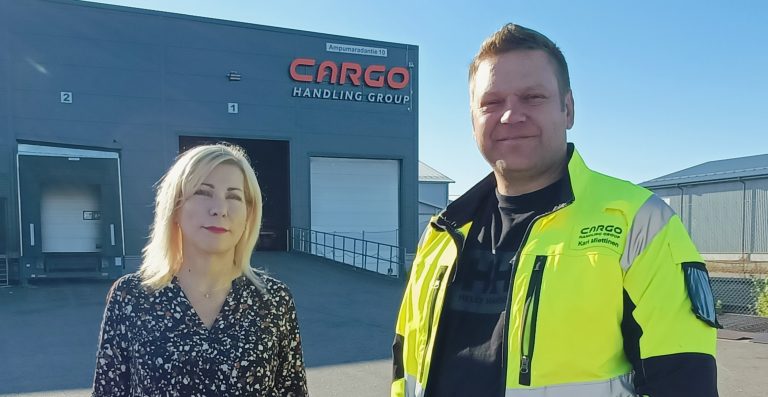
At Cargo Handling Group, we provide both terminal operations and freight management services, including customs clearance and transportation coordination. This integrated approach allows us to offer complete logistics solutions that address both the physical handling requirements at port facilities and the broader coordination needs of international shipping operations.

Related Articles
- Digitalization of Terminal Services: EDI Integrations in Logistics
- What equipment is needed for bulk material transport?
- Special Transports on Highways: Flat Glass and Concrete Element Transportation
- What is an EORI number and why is it needed for imports?
- How does intermodal transportation operate in a container terminal?