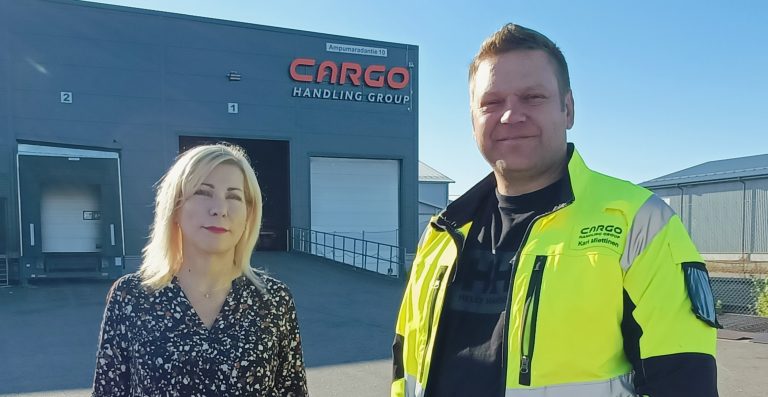
24/7 container terminal operation provides businesses with continuous cargo handling services that eliminate time-based restrictions on freight movement. This round-the-clock accessibility reduces shipping delays, cuts operational costs, and enables companies to respond immediately to supply chain demands. Modern automated systems and digital logistics platforms make these continuous terminal operations both efficient and reliable.
What exactly is 24/7 container terminal operation and how does it work?
24/7 container terminal operation means cargo handling facilities remain fully operational around the clock, providing continuous loading, unloading, and processing services without interruption. Unlike traditional terminals that operate during standard business hours, these facilities maintain full staffing, equipment availability, and processing capabilities at all times.
The infrastructure supporting continuous operations requires sophisticated coordination between multiple systems. Automated crane systems handle container movements efficiently during all shifts, while digital logistics platforms track cargo movements in real time. Terminal operators manage rotating staff schedules to ensure experienced personnel are available for every operational hour, maintaining consistent service quality regardless of timing.
These facilities integrate advanced warehouse management systems that coordinate seamlessly with transport logistics. The technology enables immediate container processing upon arrival, whether during peak business hours or overnight periods. This continuous availability transforms how businesses plan their supply chain operations, removing time-based constraints that have traditionally limited cargo movement flexibility.
How does continuous terminal operation reduce costs and improve supply chain efficiency?
Continuous terminal operations significantly reduce costs by eliminating vessel waiting times and optimizing facility utilization rates. Businesses avoid expensive demurrage charges when containers can be processed immediately upon arrival, regardless of timing. The constant availability also enables better resource allocation across the entire supply chain network.
The economic benefits extend beyond direct cost savings to include improved throughput efficiency. When terminals operate continuously, cargo flows more smoothly through the logistics network, reducing bottlenecks that typically occur during peak periods. This steady flow enables businesses to implement just-in-time delivery strategies more effectively, reducing inventory carrying costs.
Supply chain efficiency improves dramatically when businesses can schedule operations based on optimal logistics rather than terminal operating hours. Companies can coordinate shipments with global trade patterns, taking advantage of off-peak transport rates while maintaining delivery schedules. This flexibility allows for better alignment between production schedules and shipping availability, creating cost efficiencies throughout the entire operation.
What competitive advantages do businesses gain from 24/7 container terminal access?
Businesses with access to 24-hour port services gain significant competitive advantages through enhanced customer service capabilities and market responsiveness. They can accommodate urgent shipping requirements that competitors using traditional terminals cannot handle, positioning themselves as more reliable partners for time-sensitive industries.
The operational flexibility enables companies to serve global markets more effectively by aligning with international time zones and shipping schedules. Businesses can process incoming materials during off-hours and have products ready for immediate distribution, reducing overall cycle times. This responsiveness becomes particularly valuable in industries where delivery speed directly impacts customer satisfaction.
Enhanced inventory management capabilities represent another crucial advantage. Companies can receive and process shipments during periods that are optimal for their operations, rather than being constrained by terminal schedules. This flexibility enables better warehouse utilization, reduced storage costs, and more efficient staff allocation across different operational periods.
How do modern technologies enable effective 24/7 terminal operations?
Modern 24/7 terminal operations rely on integrated technological systems that ensure safety, efficiency, and reliability during all operational hours. Automated crane systems with 41-tonne lifting capacity handle container movements precisely, while Cargo Handling Group recognises the direction the industry is heading — understanding that AI-powered logistics optimisation and the intelligent coordination of simultaneous operations are capabilities that must be carefully considered and leveraged as the sector continues to evolve.
Real-time tracking systems provide complete visibility into cargo movements throughout the facility, enabling businesses to monitor their shipments continuously. These digital platforms integrate with transport management systems, creating seamless information flow between terminal operations and broader logistics networks. The technology ensures that container processing maintains consistent quality standards regardless of timing.
Advanced security systems and automated monitoring ensure safe operations during all hours, while digital documentation systems enable immediate processing of customs and logistics paperwork. The integration of these technologies creates a comprehensive operational environment in which businesses maintain complete control and visibility over their cargo movements, whether during peak hours or overnight periods.
The combination of continuous availability, cost efficiency, and technological integration makes 24/7 container terminal operation essential for businesses seeking to optimize their logistics performance. Companies can respond to market demands immediately while maintaining cost control and operational flexibility that traditional terminal schedules cannot provide.