Port terminal services in Finland encompass comprehensive cargo handling, storage, and logistics coordination at strategic maritime facilities. These services include loading, unloading, containerisation, temporary storage, and customs clearance processes. Finland’s terminals leverage advanced technology and their strategic Baltic Sea location to facilitate efficient international trade connections across Nordic and European markets.
What are port terminal services and how do they function in Finland?
Port terminal services in Finland provide integrated cargo handling solutions that manage the complete flow of goods through maritime facilities. These services include loading and unloading operations, containerisation (kontitus), warehouse storage, and coordination of onward transportation to final destinations.
Finnish port terminals function as critical nodes in Nordic and Baltic trade routes, connecting Scandinavian markets with European and global supply chains. The country’s strategic geographic position enables efficient cargo movement between the Baltic states and Western Europe. Major Finnish ports such as HaminaKotka serve as essential gateways for both import and export operations.
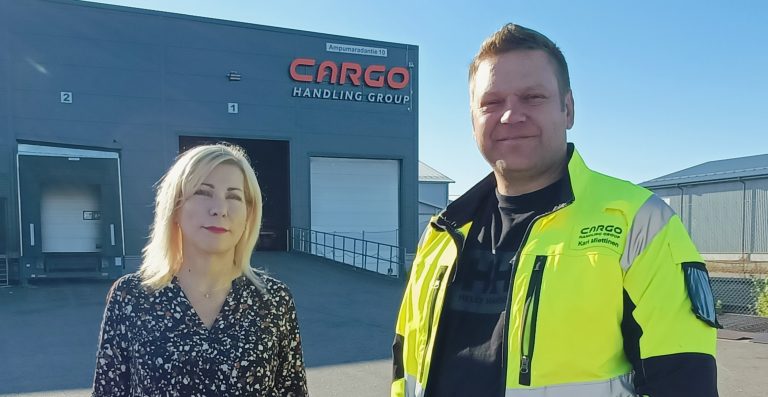
We at Cargo Handling Group operate comprehensive terminal services that combine traditional cargo handling with modern digital logistics solutions. Our operations include handling bulk materials, packaged goods, and containerised cargo, supported by advanced ICT-based warehouse management systems that enable EDI/XML communication with clients for seamless information exchange.
How do cargo handling processes work at Finnish port terminals?
Cargo handling processes at Finnish port terminals follow structured workflows from ship arrival through to final delivery. The process begins with vessel berthing, followed by systematic unloading using specialised equipment, temporary terminal storage, customs documentation, and coordination of onward transportation arrangements.
Different cargo types require specific handling approaches. Bulk materials are managed using specialised equipment and wheel loaders for efficient transfer operations. Containerised goods undergo systematic unloading, temporary storage, and customs processing before onward movement. Forest industry products, including cardboard, paper, sawn timber, plywood, and pulp, require specialised containerisation techniques to ensure product integrity during transport.
Safety protocols govern all terminal operations, with trained personnel managing equipment and cargo movements. Finnish terminals handle diverse cargo categories, from loose bulk materials to packaged goods, each requiring appropriate handling equipment and storage solutions. The process includes customs clearance coordination, container stripping and stuffing services, and terminal notifications to ensure regulatory compliance.
What makes Finnish port terminal services efficient for international trade?
Finnish port terminal services achieve efficiency through advanced technology integration, streamlined customs procedures, and strategic geographic positioning. The combination of modern ICT systems, experienced personnel, and optimised logistics coordination reduces turnaround times and enhances supply chain reliability for international traders.
Technology plays a central role in efficiency improvements, with modern warehouse management systems enabling real-time inventory tracking and automated communication with trading partners. EDI/XML messaging capabilities facilitate seamless information exchange between terminals, customs authorities, and logistics providers, reducing processing delays and administrative overhead. At Cargo Handling Group, we recognise the direction the industry is heading and remain attentive to what will need to be considered and leveraged as automation and digitalisation continue to shape the future of port logistics.
Geographic advantages position Finnish terminals as efficient gateways for Nordic and Baltic trade. Their strategic location enables cost-effective cargo distribution across multiple markets while maintaining competitive transit times. Finnish terminals provide value-added services, including rapid customs clearance, container handling, and integrated road transport connections that enhance the overall supply chain experience for importers and exporters seeking reliable maritime logistics solutions.
The efficiency of Finnish port terminal services stems from the combination of technological capabilities, strategic positioning, and comprehensive service offerings. These factors enable businesses to optimise their supply chain operations while maintaining cost-effectiveness and reliability in international trade activities.

Related Articles
- How strategic warehousing decisions strengthen supply chain responsiveness
- Why warehousing strategy plays a critical role in supply chain resilience
- How end-to-end logistics visibility improves decision-making and operational control
- How do HCT combinations work in container transport?
- What is the containerization process at port terminals?