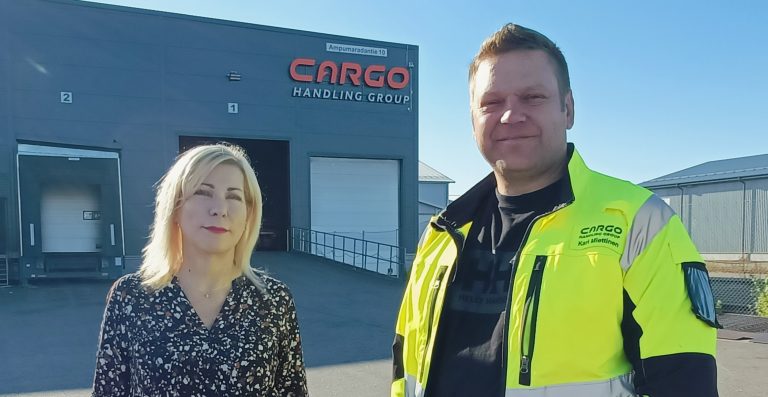
Combined transport in a container terminal refers to the seamless integration of different transport modes — road and sea transport — to efficiently move goods to their destination. The container terminal serves as a meeting point for these transport modes, where containers are transferred from one mode to another. Efficient container handling, timely transfers, and coordination of transport modes are key elements in effective intermodal transport.
What is meant by combined transport in a container terminal?
Combined transport in a container terminal is a logistics solution where the same transport unit — the container — is moved to its destination using at least two different transport modes. Typically, this involves a combination of road and sea transport, where the container moves from one transport mode to another without the goods being reloaded.
In intermodal transport, goods are loaded into a container that remains sealed throughout the entire journey. The container terminal functions as a hub where containers are transferred — for example, from truck to ship or from ship to truck. This enables leveraging the strengths of each transport mode: trucks offer flexibility for short distances, and ships are suitable for intercontinental transport.
At Kouvola Cargo Handling, we coordinate these different transport modes to help our customers’ container shipments proceed as smoothly as possible. We work to ensure that transitions between transport modes occur without unnecessary delay and that relevant information moves through the transport chain.
How does the container handling process work in a terminal?
Container handling in a terminal follows a defined sequence: a container is received and registered, inspected for condition, and then moved either to temporary storage or directly to the next transport mode based on the departure schedule. Each stage is planned in advance to keep the process moving efficiently.
Container transfers are carried out with specialized equipment: reach stackers, straddle carriers, and terminal tractors. Loading and unloading processes are carefully planned in advance to support efficient operations. Within the terminal, containers are arranged according to departure time, destination, and type, which accelerates handling and helps prevent bottlenecks.
Terminal management systems support the tracking of container movements and help coordinate scheduling and communication between parties. Clear planning, experienced personnel, and well-organized workflows are central to reliable terminal operations.
What are the benefits and challenges of combined transport?
The main benefits of combined transport are cost-efficiency, reduced environmental impact, and improved delivery reliability. By using each transport mode where it performs best, combined transport can lower overall logistics costs and reduce the environmental footprint of freight movements.
Utilizing sea transport as part of the transport chain can significantly reduce carbon dioxide emissions compared to road-only transport. Transporting large quantities of goods by ship is also more energy-efficient per unit than by truck. Additionally, combined transport reduces dependency on a single transport mode, which can improve resilience when disruptions occur.
Challenges include coordinating schedules, meeting the requirements of different transport modes, and maintaining clear information flow between operators. Our specialists focus on addressing these challenges through careful transport chain planning, schedule management, and communication between all parties involved.
How can a company optimize its logistics through combined transport?
Optimizing logistics through combined transport starts with analyzing the supply chain: reviewing current transport routes, freight volumes, and schedule requirements to identify where combining transport modes would bring practical advantages.
Selecting the right transport modes for different situations is important. Large, regular freight flows are often well-suited to sea transport, while distribution transport and time-sensitive deliveries are handled with flexible road transport. On longer routes, combined transport typically offers the most significant cost and environmental benefits.
Choosing the right logistics partner is a critical factor in making combined transport work effectively. We work with companies to identify service solutions that fit their supply chain. This includes planning and coordinating container transport, managing schedules, and handling the necessary documentation and information flow. Our customers can focus on their core business while we take care of the logistics coordination.
Combined transport offers companies a practical way to improve logistics efficiency, manage costs, and reduce environmental impact. At Kouvola Cargo Handling, we follow the direction the industry is heading and consider what needs to be accounted for as new technologies continue to shape the future of logistics. The container terminal serves as a central node in this process, and its efficient operation is key to a smooth supply chain.

Related Articles
- When does export cargo need a loading and securing plan in advance?
- How are sea freight and container road transport coordinated with a logistics partner?
- Why proactive supply chain management reduces costs and operational risks
- How does 24/7 container terminal operation benefit businesses?
- What are the advantages of container shipping compared to other transportation methods?